
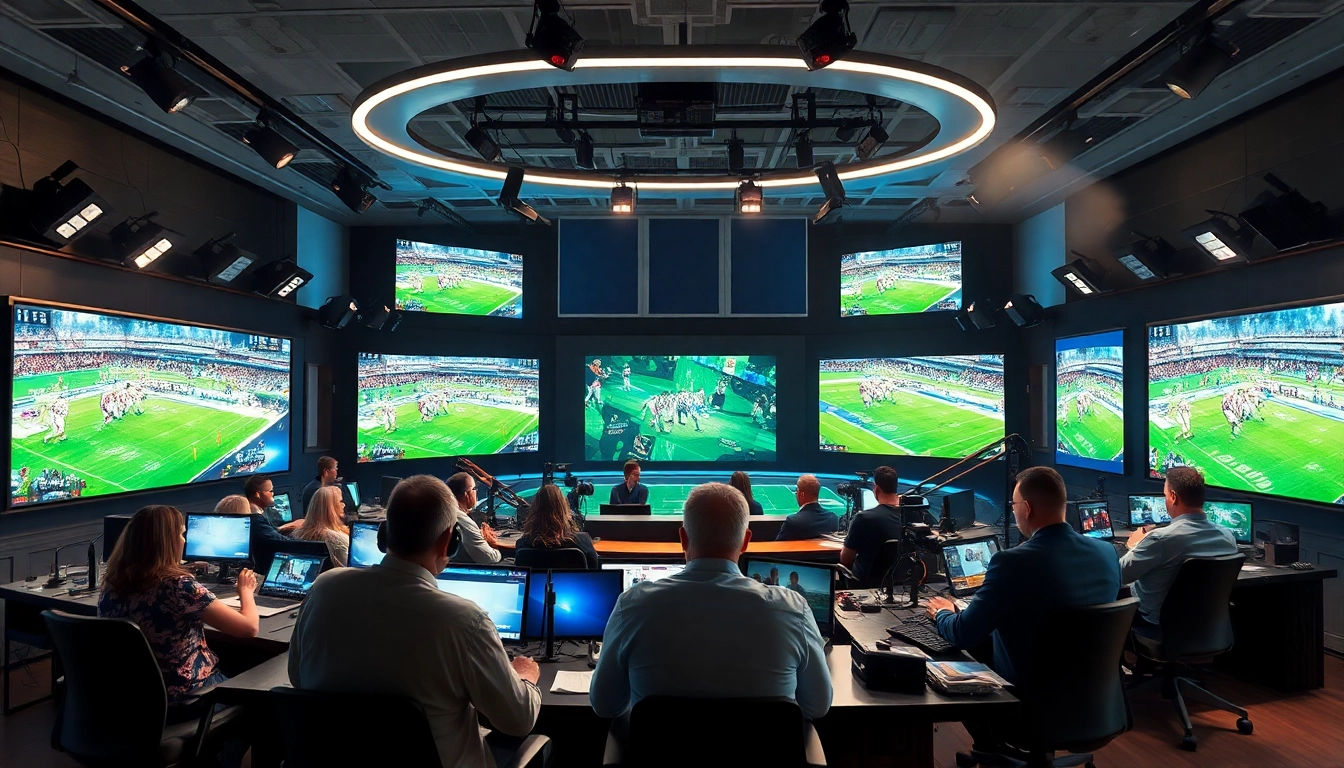
In today's fast-paced digital landscape, the significance of Sports Broadcasting cannot be overstated. From live television broadcasts to streaming services, the way sports are consumed has transformed dramatically. This intricate ecosystem plays a pivotal role in shaping how fans engage with their favorite teams and athletes. In this article, we will explore the various facets of sports broadcasting, from its history and technological evolution to audience engagement strategies and the challenges faced by the industry.
Understanding Sports Broadcasting
Definition and History
Sports broadcasting is the practice of transmitting live or recorded sports events to an audience. It encompasses various formats including television, radio, and online platforms. Historically, sports broadcasting began with crude radio transmissions in the early 20th century, allowing fans to stay updated on games they could not attend. The introduction of television revolutionized this experience, providing visual access to events.
Since then, broadcasts have evolved through multiple phases. In the 1960s, color television brought enhanced viewer experiences, while the 1980s introduced dedicated sports channels, changing the landscape forever. The transition to the digital age has paved the way for live streaming, making sports accessible anytime and anywhere.
The Evolution of Technology in Sports Broadcasting
Technology has fundamentally altered the sports broadcasting industry. With the advent of high-definition (HD) and even ultra-high-definition (UHD) broadcasts, viewers are now privy to sharp imagery and rich sound quality. Picture-in-picture technology also allows fans to watch multiple games simultaneously, catering to their diverse viewing preferences.
Moreover, algorithms and artificial intelligence (AI) are being leveraged to analyze viewer behavior, helping broadcasters tailor content to specific audiences. Drones and advanced camera systems provide new angles and perspectives, enhancing storytelling in sports broadcasts.
Key Players in the Industry
The sports broadcasting industry is characterized by a myriad of key players, including broadcasters, production companies, and digital platforms. Traditional networks still command a significant audience; however, OTT (over-the-top) service providers have gained a robust foothold in the market. These platforms often offer flexible viewing options and exclusive streaming agreements that cater to the viewing habits of younger generations.
In addition to networks and platforms, sports leagues have also become crucial players. Their partnerships with broadcasters and streaming services shape content distribution, viewer access, and advertising strategies.
The Importance of Audience Engagement
Strategies for Captivating Viewers
Captivating viewers in sports broadcasting requires more than just quality content; it also demands deliberate engagement strategies. Understanding the target audience is fundamental. Broadcasters can personalize experiences by delivering tailored content suggestions based on viewer preferences and past interests.
Interactive elements such as polls, Q&A sessions, and real-time analytics encourage fan participation during live events. Offering exclusive behind-the-scenes content can further enrich the viewer's experience, creating a deeper connection with the event.
Utilizing Social Media for Fan Interaction
Social media has become a powerful tool for sports broadcasters to foster relationships with fans. Platforms like Twitter, Instagram, and Facebook enable broadcasters to engage viewers interactively, offering them a chance to discuss events live and share their thoughts.
Creating unique hashtags and live-tweeting during games can enhance visibility and create a community feel. Encouraging fans to share their own content also amplifies reach and builds greater loyalty among viewers.
Impact of Interactive Technologies
The rise of interactive technologies, such as augmented reality (AR) and virtual reality (VR), is transforming audience engagement. AR can enhance the viewing experience by overlaying statistics and information onto live broadcasts, making them more informative and entertaining.
VR, on the other hand, allows fans to experience a 'virtual seat' in stadiums, offering a simulated experience of attending games live. This innovative approach not only captures the attention of tech-savvy audiences but also caters to those unable to attend events in person.
Challenges Facing Sports Broadcasting
Adapting to Changing Viewer Preferences
The landscape of viewer preferences is constantly evolving, and sports broadcasters must remain agile to keep up. Today's audiences are increasingly leaning towards on-demand content consumption over traditional live viewing. To address this shift, broadcasters need to provide flexible viewing options, such as catch-up services and highlights packages that allow fans to enjoy sports at their convenience.
Managing Rights and Licenses
Rights management is another challenge that plagues sports broadcasting. Negotiating broadcasting rights with leagues, teams, and sponsors is complex and often comes with steep costs. Broadcasters must effectively manage these licenses to ensure compliance while delivering the best content to fans.
Furthermore, the rise of international viewership may complicate licensing agreements as broadcasters seek to expand their footprint globally, necessitating strategic partnerships across borders.
Competition from Streaming Services
The emergence of streaming services has disrupted traditional models of sports broadcasting. Platforms like Netflix and Amazon Prime are increasingly dipping into sports content, leading to specialized and exclusive offerings that challenge conventional networks.
To remain competitive, traditional broadcasters need to innovate their offerings, develop unique content, and explore partnerships with major streaming platforms, ensuring they can entice viewers away from these digital first platforms.
Best Practices in Sports Broadcasting
Enhancing Production Quality
High production quality is essential in sports broadcasting. Investing in cutting-edge equipment, skilled personnel, and comprehensive pre-production planning can significantly elevate the quality of broadcasts. Techniques such as multi-camera setups, high frame rates, and advanced editing software all contribute to a satisfying viewer experience.
Furthermore, professional commentators and analysts add valuable insights and excitement, helping to engage audiences throughout the event.
Integrating Analytics for Audience Insights
Utilizing analytics is vital for understanding audience behaviors and preferences. By tracking viewer metrics, broadcasters can identify trends, tailor content offerings, and optimize advertising strategies. Establishing a feedback loop with viewers helps refine their experiences and anticipations for future broadcasts.
Working with Sponsors and Advertisers
Collaboration with sponsors and advertisers is crucial for financial sustainability in sports broadcasting. Crafting compelling ad placements that resonate with the audience can maximize revenue while enhancing viewer experience. Sponsored content that integrates naturally into broadcasts can foster engagement without alienating the audience.
Additionally, fostering long-term relationships with brands allows sports broadcasters to curate exclusive sponsorship deals and promotions that enhance the overall viewing experience.
The Future of Sports Broadcasting
Trends Shaping the Industry
As technology evolves, several trends are beginning to reshape the sports broadcasting industry significantly. The integration of artificial intelligence in content creation, automatic highlight generation, and even commentary is on the rise. Machine learning algorithms can analyze patterns and styles, thus enhancing the viewing experience.
Furthermore, the push towards personalized content is likely to continue, with broadcasters creating viewer-centric experiences tailored to individual preferences.
Innovations in Broadcast Technologies
Future sports broadcasts will likely incorporate even more innovative technologies. Advancements such as 5G connectivity will facilitate seamless streaming and high-speed data transfer, enhancing real-time interactions during live sports events. The potential for advanced graphics and immersive experiences will redefine how viewers engage with content.
Future Viewing Experiences for Fans
Looking ahead, the viewing experience for fans is poised for remarkable transformation. As augmented and virtual reality technologies mature, live events may blend physical attendance with immersive virtual experiences. Concepts such as real-time data integration during games and personalized viewing angles will cater to a wide range of preferences.
Ultimately, the future of sports broadcasting will hinge on the ability to adapt to technological advancements while keeping the audience's desires and expectations at the forefront of production and distribution strategies.
FAQs
What is sports broadcasting?
Sports broadcasting involves the transmission of live or recorded sports events via various media, including television, radio, and online platforms, bringing the excitement of sports to a wider audience.
How has technology impacted sports broadcasting?
Technology has transformed sports broadcasting through high-definition visuals, interactive elements, and AI, enhancing viewer experiences and allowing for innovative production techniques.
What are the challenges sports broadcasters face today?
Challenges include adapting to changing viewer preferences, managing licensing rights, and competition from streaming services, which require broadcasters to innovate constantly.
How can broadcasters engage with their audience?
Broadcasters can engage audiences through interactive strategies, such as social media interaction, personalized content, and exclusive behind-the-scenes features that deepen viewer connection.
What does the future hold for sports broadcasting?
The future is likely to see more integration of advanced technologies like VR/AR, personalized viewing experiences, and increased focus on analytics to cater to diverse audience preferences.