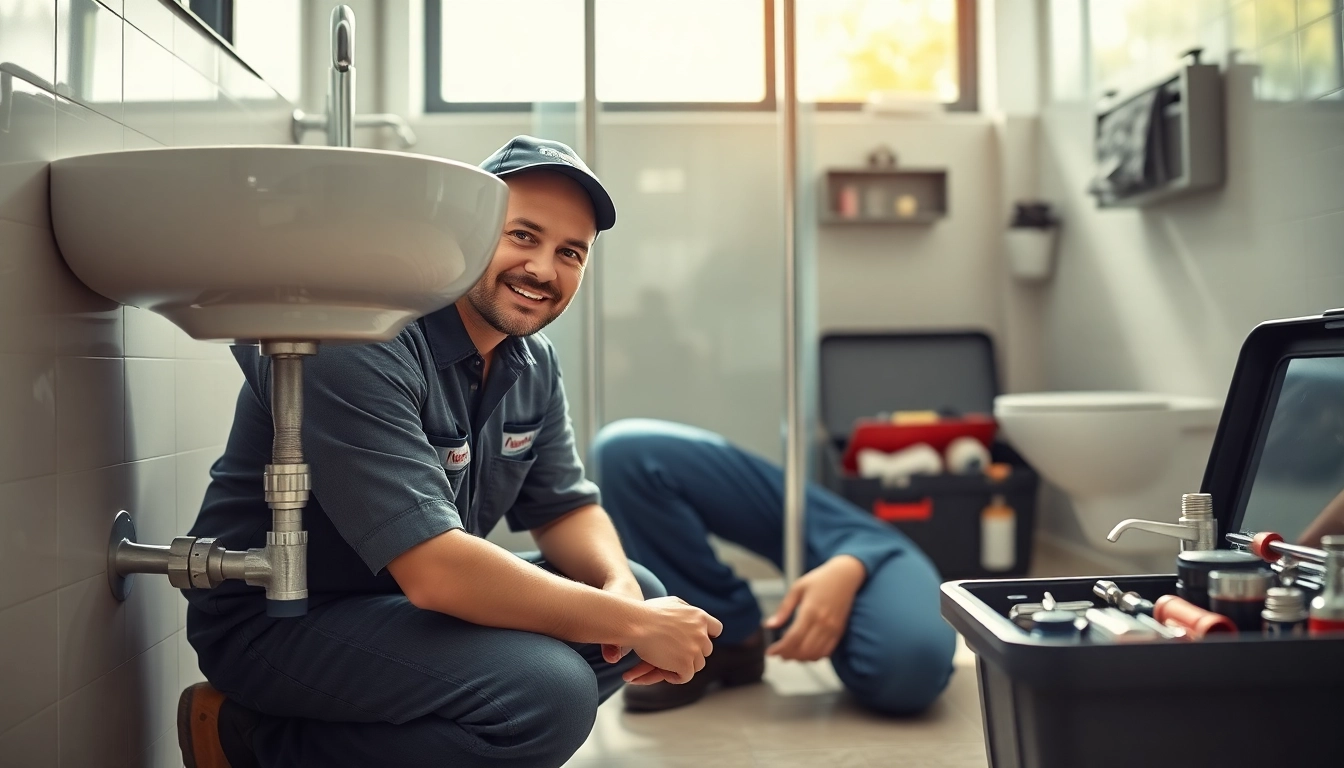
Understanding the Role of a Plumber
Plumbers play a critical role in maintaining the essential systems that keep homes and businesses running smoothly. From installing and repairing pipes and fixtures to ensuring proper drainage and sanitation, the work undertaken by plumbers is fundamental to health and safety. Plumbing services can be complex and varied, making it crucial to understand the scope of a plumber’s responsibilities. When looking for a plumber, it’s important to appreciate their significance and expertise.
What Does a Plumber Do?
A plumber's day-to-day activities encompass a wide array of tasks centered around piping systems and water infrastructure. These professionals work on:
- Installing new piping systems for new constructions, ensuring the layout is efficient and compliant with local codes.
- Repairing leaks in existing pipes to prevent water damage and conserve resources.
- Replacing fixtures such as sinks, toilets, and bathtubs that are outdated or damaged.
- Performing routine maintenance to ensure systems operate effectively over time.
- Responding to emergency situations like burst pipes or severe leaks, where rapid action is essential to mitigate damage.
Types of Plumbing Services Offered
Plumbers offer a range of services tailored to meet the varying needs of residential and commercial clients. Common plumbing services include:
- Residential Plumbing: Involves activities related to home plumbing, like installation, repair, and replacement of fixtures.
- Commercial Plumbing: Focuses on larger systems found in businesses, such as industrial plumbing and backflow prevention.
- Emergency Plumbing: Immediate assistance for urgent plumbing crises, available often around the clock.
- Drain Cleaning: Professional cleaning services for drains to remove blockages and prevent backups.
- Water Heater Services: Installation, repair, and maintenance of water heating systems.
Importance of Certification and Licensing
Hiring a certified and licensed plumber is crucial in ensuring quality work, adherence to safety regulations, and protection for the homeowner. Plumbing regulations vary by location, meaning that certifications equip plumbers with the knowledge necessary to navigate local codes. Additionally, licensed plumbers often carry insurance, which protects homeowners from liability in case of accidents or mistakes during the job.
Essential Qualities to Look for in a Plumber
Identifying the right plumber for your needs requires a careful evaluation of their skills and characteristics. The ideal plumber possesses several essential qualities that distinguish them from the rest.
Experience and Expertise in Different Issues
Experience is one of the main indicators of a plumber's capability. An experienced plumber is familiar with various plumbing issues and knows how to address them efficiently. They have often encountered a range of problems—from minor leaks to complete system failures—and are more adept at problem-solving under pressure.
Customer Service and Communication Skills
In addition to technical expertise, strong customer service skills are vital for plumbers. They should communicate clearly about the work needed, provide honest estimates, and be responsive to customer inquiries. A plumber who prioritizes good communication will foster trust and satisfaction among clients.
Trustworthiness and Reliability
Finding a trustworthy plumber can save homeowners from potential scams or poor-quality work. Look for plumbers who provide references and have solid online reviews. Reliability means they show up on time, complete the work as promised, and stand behind their services.
How to Find a Qualified Plumber
The search for a qualified plumber can feel daunting, but there are strategies to simplify the process. By taking the right steps, you can ensure you hire a plumbing professional who meets your needs.
Online Reviews and Recommendations
Reading online reviews and seeking personal recommendations can offer invaluable insights into a plumber’s quality of service. Websites that aggregate reviews can help you gauge customer satisfaction levels and identify potential red flags.
Asking for Quotes and Service Comparisons
Request quotes from multiple plumbers to help you understand standard pricing for the services required. This not only ensures competitive pricing but also allows you to assess the professionalism and transparency of each plumber.
Verifying Credentials and References
Take the time to verify each plumber's credentials, including licenses and insurance. Asking for references from past clients can further provide assurance of their reliability and workmanship.
Common Plumbing Issues in Homes
Every homeowner is bound to face plumbing issues at some point. Understanding common problems can help you identify when it’s time to call a plumber.
Leaking Faucets and Their Solutions
Leaking faucets are not just an annoyance; they can lead to water waste and higher bills. Addressing a leaky faucet involves checking the washer and the O-rings for wear. If these components are damaged, replacing them typically resolves the leak.
Clogged Drains: Prevention and Remedies
Clogged drains are one of the most frequent plumbing complaints, often caused by hair, soap, and grease build-up. Regular maintenance, such as using drain screens and periodic professional cleanings, can prevent severe clogs. If a clog does occur, a plunger or a plumber's snake can often remedy the situation.
Water Heater Problems and Maintenance Tips
Water heater malfunctions can severely disrupt daily activities. Common issues include inconsistent water temperatures and leaks. Regular maintenance checks can extend the lifespan of the unit. Flushing the tank yearly to remove sediment build-up is a recommended best practice, and any signs of rust or corrosion necessitate professional evaluation.
Cost Considerations When Hiring a Plumber
Understanding the financial aspects of hiring a plumber will help you make informed decisions regarding your plumbing needs.
Understanding Pricing Structures
Plumbing services often charge through hourly rates or flat fees depending on the task. Familiarize yourself with common pricing structures to have a better understanding of what to expect. Keep in mind that urgent repairs typically incur higher charges than scheduled visits.
Budgeting for Common Plumbing Repairs
Staying proactive about plumbing repairs can save homeowners from unexpected expenses. Budgeting for typical plumbing issues, such as leak repairs or fixture installations, can prepare you for costs that arise. Establish a maintenance fund to handle repairs convenient.
Knowing When to DIY vs. Hire a Professional
While some small plumbing jobs can be DIY projects, knowing your limits is essential. Minor repairs like unclogging a drain can often be handled without professional help. However, significant plumbing systems should only be dealt with by a qualified plumber to avoid further complications or damage.
FAQs
How do I know if I need a plumber?
Signs like low water pressure, leaking pipes, or persistent clogs often indicate you need a plumber's assistance. If you feel unsure, seeking professional advice can help avoid further damage.
What should I expect during a plumbing service?
A plumber will assess the issue, provide a quote, and discuss the steps involved in the repair or installation. Transparency and clear communication are essential parts of their service.
Are plumbing warranties offered?
Many plumbers offer warranties on parts and labor for repairs. Always inquire about the warranty options, as it can protect you from future expenses related to the service performed.
How long do plumbing repairs usually take?
Duration depends on the complexity of the job. Minor repairs can take an hour or two, while significant projects might require several hours or even days. Professional estimates will provide more accurate timeframes.
When is it better to hire a plumber rather than DIY?
When facing complex issues like installing new pipes, dealing with sewer line problems, or significant repairs, hiring a plumber is advisable to ensure safety and compliance with regulations.