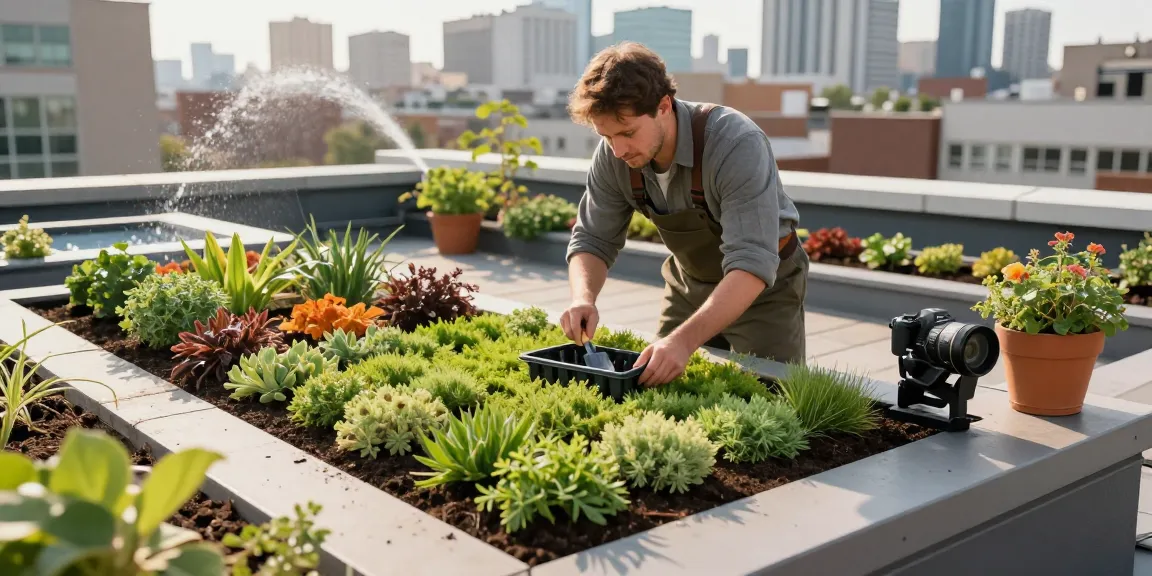

Understanding Spargelpflanzen
Spargelpflanzen, or asparagus plants, are a unique and rewarding addition to any vegetable garden. Known for their delicate flavor and high nutritional value, these perennial plants can offer bountiful harvests for many years if cultivated correctly. Whether you’re an avid gardener or a beginner, understanding the intricacies of growing spargelpflanzen is essential to enjoying this gourmet delicacy in your home cuisine.
What Are Spargelpflanzen?
Spargelpflanzen belong to the Asparagus genus and are primarily cultivated for their edible young shoots, which are harvested before they fern out. They are typically classified into three categories based on their color: green, white, and purple. Each type has unique flavor profiles and is enjoyed differently in culinary applications.
Types of Spargelpflanzen Available
- White Spargel: Grown underground to prevent photosynthesis, white asparagus has a milder flavor and is considered a delicacy in many countries.
- Green Spargel: This type emerges above the soil and is exposed to sunlight, giving it a more robust flavor and a slightly tougher texture.
- Purple Spargel: Less common than its green and white counterparts, purple asparagus is sweeter and can add a pop of color to your dishes.
- Hybrid Varieties: F1 hybrids, such as Herkolim and Backlim, offer improved disease resistance and yield, making them popular among gardeners looking for high productivity.
Benefits of Growing Spargelpflanzen
Beyond their delicious taste, spargelpflanzen provide numerous benefits:
- Nutritional Value: Asparagus is rich in vitamins A, C, E, and K, folate, and fiber, making it a healthy choice for meals.
- Perennial Longevity: Once established, asparagus plants can produce for 15 years or longer, providing consistent yields with minimal yearly effort.
- Low Maintenance: Spargelpflanzen require relatively little maintenance once established, offering a great return on investment for home gardeners.
Choosing the Right Spargelpflanzen for Your Garden
Selecting the right spargelpflanzen is crucial for a thriving garden. With various options available, understanding the requirements and benefits of each variety will help maximize your yield and flavor profile.
Factors to Consider When Selecting Spargelpflanzen
- Climate: Asparagus prefers temperate climates with well-drained soil; ensure that your chosen variety is suitable for your local conditions.
- Space: These plants can grow substantial roots and should be planted with adequate space to avoid competition for nutrients.
- Soil Quality: Well-prepared soil enriched with organic matter is essential for optimal growth.
Best Varieties for White and Green Spargel
For those focused on white asparagus, consider varieties like Herkolim and Backlim, which are known for their excellent yield and flavor. For green asparagus, Gijnlim and Cumulus are popular choices due to their adaptability and resistance to common pests.
Common Mistakes When Choosing Spargelpflanzen
New gardeners often make mistakes such as:
- Choosing plants without considering climate adaptability.
- Failing to prepare the soil adequately, leading to poor growth.
- Packing plants too closely together, resulting in nutrient competition and low yields.
Planting Spargelpflanzen: A Step-by-Step Guide
Planting spargelpflanzen can be a rewarding experience if done correctly. Here’s a comprehensive guide to help you through the process.
Ideal Soil and Climate Conditions for Spargelpflanzen
Asparagus thrives in well-drained, sandy loam that is rich in organic matter. Soil pH should ideally be between 7.0 and 8.0. Ensure your garden location receives full sun for optimal growth. Avoid low-lying areas where water may accumulate, as asparagus roots are susceptible to rot in overly wet conditions.
When and How to Plant Spargelpflanzen
The best time to plant asparagus is in early spring, once the soil temperature reaches about 50°F (10°C). To plant, follow these steps:
- Prepare the planting beds by digging trenches about 6-8 inches deep.
- Mix compost and well-rotted manure into the soil for added nutrients.
- Place the crowns of the spargelpflanzen in the trench, spacing them about 12-18 inches apart.
- Cover the crowns with soil, leaving the tips exposed.
Proper Spacing and Arrangement Techniques
To ensure healthy growth, aim to plant 5-6 spargelpflanzen per meter of row. Rows should be spaced at least 1 meter apart to allow for easy access during maintenance and harvesting.
Care and Maintenance of Spargelpflanzen
Proper care is essential for your spargelpflanzen to thrive throughout the growing season. Regular maintenance will lead to healthier plants and better yields.
Watering, Fertilizing, and Pest Control for Spargelpflanzen
Asparagus requires about 1 inch of water per week during the growing season. Use a balanced fertilizer in early spring to promote healthy growth, and consider applying organic mulch to retain soil moisture and suppress weeds. Regularly check for pests such as asparagus beetles, and use appropriate organic methods for control.
Seasonal Care Tips for Healthy Growth
In the fall, cut back ferns to ground level and remove any debris to prevent diseases. In winter, protection from severe frost can be provided with mulch. This seasonal care helps prepare the plants for optimal growth in the following spring.
Signs of Stress in Spargelpflanzen and How to Address Them
Common signs of stress include yellowing leaves, wilting, and stunted growth. Ensure that your plants are not waterlogged and that they receive adequate nutrients. Adjust watering and fertilization schedules as needed to address these issues.
Harvesting and Using Your Spargelpflanzen
Once your spargelpflanzen mature, you can look forward to harvesting delicious and fresh asparagus shoots.
Timing Your Harvest for Maximum Flavor
The harvesting season for asparagus typically begins 2-3 years after planting, depending on the variety. It is best to harvest when the shoots are between 6-8 inches tall. Cut the stalks just above the soil line to encourage further growth.
Cooking and Serving Tips for Fresh Asparagus
Fresh asparagus can be enjoyed in various culinary applications. It can be steamed, grilled, or roasted; the possibilities are endless. For a simple preparation, drizzle with olive oil, sprinkle with salt and pepper, and roast until tender.
Preserving and Storing Spargelpflanzen Effectively
To preserve the freshness of harvested asparagus, store it upright in a jar with a little water, similar to storing cut flowers. It can be refrigerated for up to a week. For longer storage, consider blanching and freezing the asparagus, which maintains its flavor and nutritional value.
What is the best time to plant spargelpflanzen?
The best time to plant spargelpflanzen is in early spring when the soil is warming and frost risk is minimal.
How long does it take to harvest spargelpflanzen?
Typically, you can expect to begin harvesting spargelpflanzen in 2-3 years after planting, depending on the variety and growing conditions.
What are the key nutrients for growing healthy spargelpflanzen?
Asparagus plants thrive on nitrogen-rich fertilizers, as well as phosphorus and potassium for balanced growth and root development.
Can I grow spargelpflanzen in containers?
While spargelpflanzen are usually planted in the ground, it is possible to grow them in large containers. Ensure the container is deep enough to accommodate their root system.
How do I know if my spargelpflanzen are ready to harvest?
As the shoots reach about 6-8 inches in height and before they begin to fern out, they are ripe for harvesting. Regular monitoring during the growing season will help you catch them at the perfect time.